

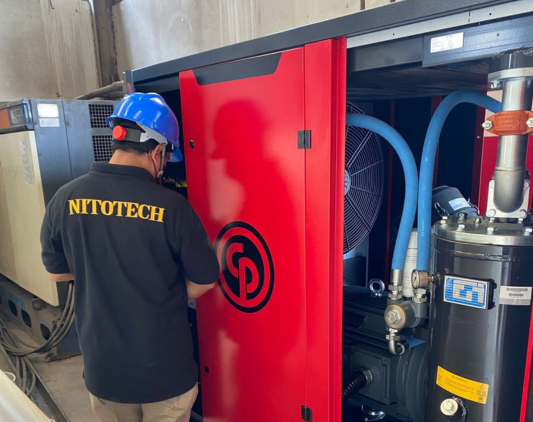
Screw compressors are versatile machines that can be used for a variety of applications such as air filling, packaging, tooling, HVAC control and many more. However, one potential drawback of these machines is the amount of electricity they consume. Using an inefficient air compressor can result in a significant drain on energy and money.
Fortunately, there are several ways to optimize screw compressor use and reduce energy waste.
1. Set Schedule
Operating a screw compressor without a set schedule is one of the most common ways to waste energy. Every business has different levels of air demand, and if you only need the compressor for a few hours outside of the workday, it makes sense to run it during those hours. However, manually turning the compressor on and off can be challenging due to time and space constraints. The good news is that some high-end compressor models have a control panel that allows the user to set the schedule on the machine itself.
2. Fix Leaks
Air compressor leaks are another common problem that contributes to energy wastage and inefficiency. Leaks are not always easy to see or hear, and depending on usage, a ¼” air leak at 100psi can cost over $2,500 of wasted energy over a year. It is recommended that a leak detection professional inspect your compressor periodically to ensure that you are not wasting energy. Duct tape can serve as a temporary solution, but it won’t fix the problem permanently.
3. Use a Variable Speed Compressor
Single stage air compressors are often used in HVAC applications despite their inefficient operation. They’re on or off, with no power variation, so if you only need a little air, they’ll kick on at full throttle. If possible, variable speed compressors should be used, as they will attempt to match delivery to what is required and not use as much power as needed.
4. Avoid Debris Cleaning
Compressed air is a very useful tool, but it can’t do everything. One of the most common uses of compressed air is cleaning debris. Unless the psi is 30 or less, cleaning something off the ground with compressed air is a violation of OSHA. Also, dusting yourself or others is prohibited regardless of pressure. There are other cheaper/dangerous ways to clean, so maybe save compressed air for more vital applications.
5. Optimizing Piping Systems
Another place air can be wasted is in the air pipe from the compressor to its destination. Often, processes and machines are changed or relocated without considering what inefficiencies this might cause, especially if you operate multiple compressors from a centralized location. Periodically review your piping system to ensure air is flowing from the compressor to its final destination in the shortest possible distance. The farther air travels, the more energy it requires, so shortening pipelines is a great way to save energy.
6. Change Filters Regularly
One of the most helpful tips for saving energy is to replace the filter according to the recommended maintenance schedule. Most compressors say how often you should replace the filter, and that schedule, based on rigorous testing and calculations, is a must! A clogged filter, whether it is for air, oil, water, or any other liquid, prevents some of the liquid from passing through. It is very inefficient to operate with a blocked filter, therefore replacing it is the best way to save energy. All other common maintenance items for air compressors should also be inspected regularly. Doing so will improve performance and extend the life of the air compressor.
In conclusion, by implementing these energy-saving tips, you can save millions of rupiah every year. Many operators lose a lot of this energy.






Leave a comment